 ProMapRanker
Top Local Citation Sites Every Business Should Be On
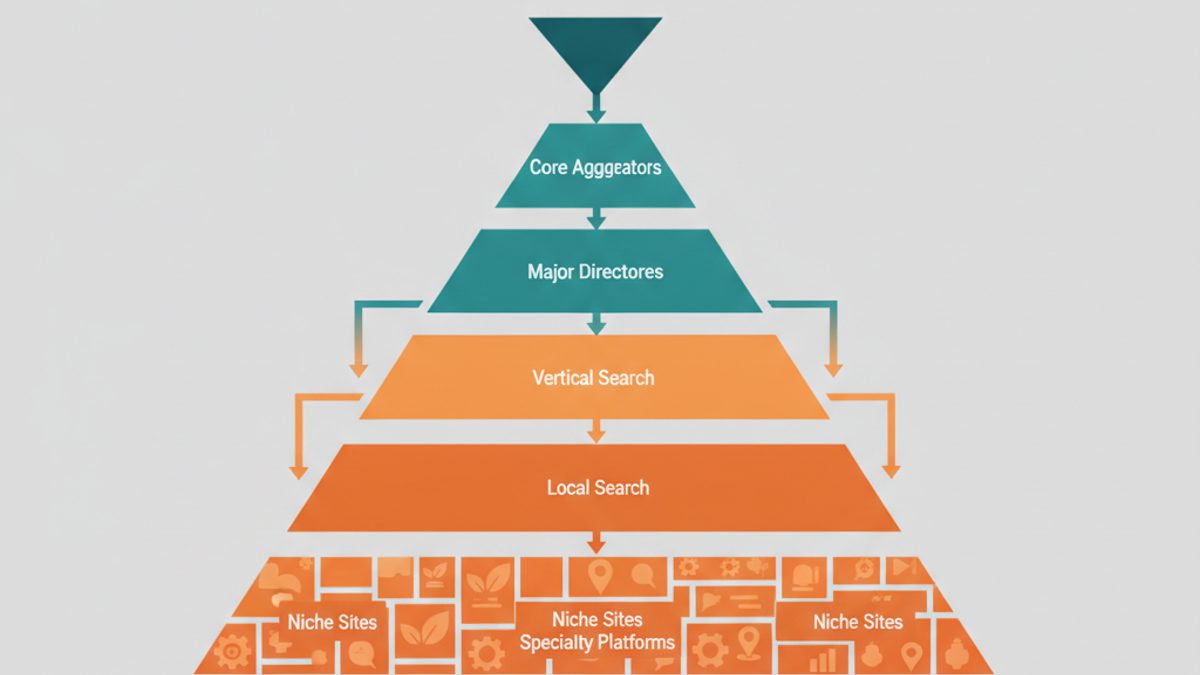
Building a strong local online presence is non-negotiable for any business aiming to attract nearby customers. The top local citation sites are foundational to this presence, acting as critical signals to search engines about your business's legitimacy and location. These include major platforms like Google Business Profile, Yelp, and Facebook, along with data aggregators such as Foursquare and Factual, and an array of niche-specific and local directories. Prioritizing these listings ensures consistent Name, Address, and Phone (NAP) information across the web, which is essential for improved local search rankings, increased visibility in map packs, and driving more organic traffic to your physical location or service area. Without accurate and plentiful citations, even the best local SEO strategies will struggle to gain traction.
What Are Local Citation Sites and Why Do They Matter for Local SEO?
Local citation sites are online platforms where your business's Name, Address, and Phone number (NAP) are listed, often alongside your website, business hours, and description. These sites serve as digital mentions of your business, signaling to search engines like Google that your business is real, established, and located where you claim. Consistent NAP information across numerous authoritative sources significantly boosts your local SEO efforts.
The importance of local citations extends beyond simply existing. Each citation acts as a vote of confidence, helping search engines verify your business's authenticity and authority. Google, for instance, cross-references your Google Business Profile (GBP) information with data found on other citation sites. The more consistent and numerous these citations are, the greater trust Google places in your business's data, which directly influences your visibility in local search results and the coveted Google 3-Pack. Inconsistent NAP data, on the other hand, can confuse search engines, leading to lower rankings and reduced local visibility. We've seen clients improve their geo-grid rankings by upwards of 30% simply by cleaning up their citation profiles, leading to more calls and walk-ins.
What is the Best Site for Citations, and How Do You Prioritize Them?
While there isn't a single "best" site for citations, Google Business Profile (GBP) is unequivocally the most critical platform for local businesses, acting as the cornerstone of your online presence. After GBP, Yelp and Facebook are next in line due to their high authority and user engagement. Prioritization should always start with these top-tier platforms, followed by major data aggregators, and then a strategic selection of niche-specific and local directories.
Your Google Business Profile is the foundation of your local SEO. Google uses this profile to generate your business's knowledge panel, display your location on Google Maps, and determine your eligibility for the local pack. Optimizing your GBP with accurate information, photos, and regular posts is paramount. Following GBP, sites like Yelp and Facebook carry significant weight because they are trusted by millions of users and frequently rank high in search results themselves. After these giants, focus on data aggregators that distribute your information widely, ensuring a broad foundational reach. Finally, target industry-specific and geographically relevant sites to deepen your local footprint and attract highly qualified leads. This layered approach ensures maximum impact for your citation building efforts.
Top Tier: Major Platforms Every Business Needs
These platforms are non-negotiable for any business seeking local visibility. They offer high authority, significant user traffic, and direct impact on local search rankings. Ensuring your business is accurately listed and fully optimized on each of these is the first step in any robust citation strategy.
1. Google Business Profile (GBP)
Your Google Business Profile is the single most important local citation. It directly impacts your visibility in Google Search, Google Maps, and the local 3-Pack. Maintaining an optimized, accurate, and active GBP is crucial for local SEO success.
- Impact: Direct influence on Google Maps rankings and local search visibility. It's often the first thing potential customers see.
- Optimization Tips: Fully complete all sections, add high-quality photos, post regularly, respond to reviews, and ensure your services/products are accurately listed. Regularly audit your GBP for accuracy and new features. Get a free GBP audit to identify immediate improvement areas.
- Why it's #1: Google's own platform gives it unparalleled authority in its search ecosystem.
2. Yelp
Yelp is a highly influential review site that ranks prominently in search results for local businesses. Its robust review system and user base make it a critical platform for reputation management and customer acquisition.
- Impact: Strong influence on consumer decisions, high search authority, and a significant source of customer reviews.
- Optimization Tips: Claim and verify your listing, add detailed business information, upload appealing photos, and actively respond to all reviews (positive and negative).
- Why it's Essential: Many consumers rely on Yelp for discovering and evaluating local businesses.
3. Facebook
Facebook isn't just a social media platform; it's a powerful local citation source. A Facebook Business Page allows customers to find your hours, address, phone, and even interact with your business directly.
- Impact: High social engagement, direct customer communication, and a strong signal of business activity and legitimacy to search engines.
- Optimization Tips: Create a complete business page with accurate NAP, detailed "About" section, photos, and regular content updates. Encourage check-ins and reviews.
- Why it's Essential: Massive user base and high domain authority contribute to its SEO value.
4. Apple Maps
With a significant share of the mobile navigation market, especially among iPhone users, having an accurate listing on Apple Maps is crucial for direct navigation and local search visibility for Apple device users.
- Impact: Essential for users navigating via Apple devices, ensuring your business is discoverable through Siri and Apple Maps searches.
- Optimization Tips: Submit your business directly through Apple Business Connect. Ensure NAP is identical to your GBP and other core citations.
- Why it's Essential: Caters to a large segment of mobile users who rely on Apple's ecosystem.
The Power of Data Aggregators: Fueling Foundational Citations
Data aggregators are companies that collect business information from various sources and then distribute it to hundreds of directories, search engines, and mapping services. While they may not directly generate high traffic themselves, they are foundational for ensuring broad NAP consistency across the web.
These aggregators act as a central hub for your business data. By submitting your information to them, you essentially feed a vast network of smaller directories, ensuring your NAP is disseminated widely. This broad distribution strengthens your overall citation profile and helps solidify your business's presence in the eyes of search engines. Think of them as the backbone of your citation strategy, providing a strong, consistent data feed that underpins your entire local SEO effort. While the direct influence of some aggregators has shifted over time, their role in data distribution remains critical for foundational consistency.
Key Data Aggregators to Consider:
- Foursquare: Powers location data for many apps and services. Maintaining an accurate listing here ensures broad distribution.
- Localeze (now Neustar Local): A major player in local search data distribution, feeding information to many platforms.
- Factual (now part of Foursquare): Historically a significant aggregator, its data now often flows through Foursquare.
- Infogroup (now Data Axle): Another key aggregator that supplies data to various directories and search engines.
Ensuring your information is accurate with these aggregators is a proactive step that can prevent inconsistencies from spreading across hundreds of smaller sites. Many citation management services utilize these aggregators to streamline the citation building process.
Essential Local Business Directories in the US
Beyond the top-tier platforms and data aggregators, a diverse set of general local business directories are essential. These sites offer additional avenues for visibility, reinforce your NAP consistency, and provide valuable backlinks to your website. Many of these have been around for decades, adapting to the digital age.
Top 10 US Business Directories and What's Similar to Yellow Pages:
- Yellow Pages (YP.com): The digital successor to the traditional phone book. Still relevant for some demographics and carries significant domain authority.
- White Pages: Provides contact information, including businesses.
- Bing Places for Business: Microsoft's equivalent to Google Business Profile, crucial for visibility on Bing Search and Bing Maps.
- BBB.org (Better Business Bureau): Essential for businesses wanting to build trust and demonstrate credibility, especially service-based businesses.
- Chamber of Commerce (Local & National): Listing with your local Chamber of Commerce adds a strong local signal and community trust.
- DexKnows: Another long-standing directory that compiles business information.
- MapQuest: While less popular for navigation than Google Maps, it remains a notable directory source.
- Manta: Focuses on small businesses, offering a platform for company profiles and industry connections.
- HotFrog: An international business directory with a strong presence in the US.
- Citysearch: A city-focused directory offering local recommendations and business listings.
Many of these sites, like YP.com, DexKnows, and Citysearch, are direct descendants or modern equivalents of the traditional Yellow Pages. They function as comprehensive online lists of businesses, categorized by industry and location, allowing users to search for services and products in their area. Unlike the physical phone book, these digital versions often include reviews, photos, and direct links to websites, making them far more interactive and valuable for local SEO.
Niche and Industry-Specific Citation Sites
While general directories are crucial, hyper-relevant niche and industry-specific citation sites offer a powerful advantage. These directories cater to specific sectors, attracting an audience already interested in your services. A listing here signals deep relevance to search engines and highly qualified leads.
For example:
- Healthcare: Healthgrades, Zocdoc, Vitals, WebMD
- Legal: Avvo, FindLaw, Justia, Lawyers.com
- Home Services (Plumbers, HVAC, Electricians): HomeAdvisor, Angie's List (now Angi), Houzz, Thumbtack
- Restaurants: OpenTable, TripAdvisor, Zomato, Grubhub
- Automotive: Carfax, Edmunds, DealerRater
- Real Estate: Zillow, Realtor.com, Trulia
The value of these sites lies in their targeted audience and often higher domain authority within their specific niche. A citation from Avvo for a lawyer or Healthgrades for a dentist carries more weight for those specific searches than a general directory. These sites also often allow for more detailed, industry-specific information, enhancing your profile and providing a richer data set for search engines to crawl. Always prioritize directories that are well-known and used within your specific industry, as they are likely to be trusted by both consumers and search engines.
Geographic and Hyperlocal Directories
Don't overlook the power of truly local directories. These can be community websites, local news portals, neighborhood associations, or city-specific business lists. While they might have lower domain authority than national sites, their hyper-local relevance can be incredibly strong signals for businesses targeting a very specific geographic area.
Examples include:
- Local Chamber of Commerce websites
- Main Street Associations
- City-specific business directories (e.g., "Downtown [Your City] Business Association")
- Community forums or news sites with business listings
- Local tourist boards or visitor guides
These types of citations demonstrate a deep connection to the local community, which can be a significant ranking factor for highly localized searches. For businesses serving a small town or specific neighborhood, these hyperlocal listings can sometimes outperform broader national directories in terms of direct impact on local search visibility within that specific geographic radius. Always seek out opportunities to list your business on sites that are genuinely part of your local ecosystem.
How to Identify and Prioritize Citation Opportunities: A Practical Checklist
Building a robust citation profile requires a strategic approach. Here's how to identify and prioritize the most impactful sites for your business:
Step-by-Step Citation Building Checklist:
- Start with the Big Three: Claim and optimize your Google Business Profile, Yelp, and Facebook pages first. Ensure NAP is perfectly consistent.
- Submit to Data Aggregators: Use services or directly submit to Foursquare (which now includes Factual data), Neustar Local (Localeze), and Data Axle (Infogroup). This lays a broad foundation.
- Research Competitors: Use a tool like ProMapRanker's GBP audit or other SEO tools to analyze where your top local competitors have citations. This reveals highly relevant sites you might be missing.
- Look for patterns: Are they listed on specific niche sites? What local directories do they use?
- Prioritize sites where multiple competitors are listed, as these are likely valuable.
- Identify Niche-Specific Directories: Search for "[Your Industry] directory" or "best [Your Service] listings" to find relevant sites. For example, "best dentists in [city] directory" for a dental practice.
- Find Hyperlocal Opportunities: Search for "[Your City] business directory," "[Your Neighborhood] association," or "[Your City] Chamber of Commerce."
- Check for Existing Citations: Before creating new ones, audit your existing citations. Many tools offer citation scanning. Correct any inaccuracies or duplicates. This is crucial for NAP consistency, a key ranking factor.
- Prioritize by Authority & Relevance:
- High Domain Authority (DA): Sites with high DA generally pass more authority to your business.
- Relevance: Niche and local sites, even with lower DA, can be highly relevant and impactful for specific searches.
- User Engagement: Sites with active user bases (e.g., review sites) are often more valuable.
- Build Gradually and Consistently: Don't try to build hundreds overnight. Focus on quality over quantity, ensuring each listing is complete and accurate. A good target is 20-30 high-quality, relevant citations initially, then ongoing maintenance and opportunistic additions.
- Track Your Progress: Monitor your local search rankings, especially your geo-grid performance. Tools like ProMapRanker allow you to track your visibility on a 5x5 or 7x7 grid around your business, showing the direct impact of your citation efforts.
Common Mistakes to Avoid When Building Citations
While citation building is straightforward, several pitfalls can undermine your efforts and even harm your local SEO. Avoiding these mistakes is just as important as building new citations.
- Inconsistent NAP Information: This is the cardinal sin of local SEO. Even minor discrepancies (e.g., "St." vs. "Street," different phone number formats) can confuse search engines and dilute your citation's power. Always ensure your Name, Address, and Phone number are identical across all listings. Learn more about NAP consistency.
- Duplicate Listings: Creating multiple listings for the same business on the same directory (or even on Google Business Profile) can lead to confusion, split reviews, and diminished authority. Actively search for and merge/delete duplicate listings.
- Incomplete Profiles: A bare-bones listing is far less effective than a fully fleshed-out one. Include your website, hours, description, categories, photos, and any other relevant information. The more complete your profile, the more valuable it is to users and search engines.
- Ignoring Niche Directories: Over-reliance on general directories while neglecting industry-specific sites means missing out on highly targeted traffic and strong relevance signals.
- Neglecting Review Management: Many citation sites are also review platforms. Ignoring customer reviews or failing to respond sends a negative signal to potential customers and search engines alike.
- "Set It and Forget It" Mentality: Citation profiles require ongoing maintenance. Business information can change, directories evolve, and new opportunities arise. Regularly audit your citations (at least quarterly) to ensure accuracy and freshness.
- Spammy or Low-Quality Directories: Avoid submitting to hundreds of obscure, low-quality directories just for the sake of quantity. These can sometimes be seen as spammy and may not offer any SEO benefit. Focus on authoritative, relevant sites.
Measuring the Impact of Your Citation Strategy
Building citations is an investment, and like any investment, you need to track its return. The true impact of a robust citation strategy is seen in improved local search rankings, increased visibility, and ultimately, more customer engagement. At ProMapRanker, we provide the tools to precisely measure this impact.
After you've cleaned up your NAP consistency and started building quality citations, you should expect to see shifts in your local search performance. Our geo-grid rank tracker allows you to visualize your business's visibility across a specific geographic area, typically a 5x5 or 7x7 grid, with each point representing a search query from that location. As your citation profile strengthens, you'll often see more "green" spots on your grid, indicating higher rankings in those specific areas. This granular data helps you understand exactly where your efforts are paying off and where further optimization might be needed.
Beyond geo-grid tracking, ProMapRanker also offers Google Business Profile audit tools that can help you identify areas for improvement, including NAP consistency checks. By monitoring your "Share of Local Voice" (SoLV) or "Average Rank Position" (ARP) metrics, you can directly attribute improvements in your overall local search presence to your citation building efforts. For example, a client who meticulously cleaned up 20+ inconsistent citations saw their SoLV increase by 15% within three months, directly correlating with a rise in Google Maps calls. This data-driven approach is essential for proving the ROI of local SEO to clients or stakeholders. Ready to see the impact of your citations? Start tracking your geo-grid rankings today with ProMapRanker.
Frequently Asked Questions
What are the top 10 business directories of the United States?
The top 10 essential business directories and citation sources in the US typically include Google Business Profile, Yelp, Facebook, Apple Maps, Bing Places for Business, Yellow Pages (YP.com), BBB.org, your local Chamber of Commerce, DexKnows, and Manta. These platforms offer a mix of high authority, broad reach, and significant user engagement crucial for local SEO.
What is similar to Yellow Pages?
Many online directories function similarly to the traditional Yellow Pages, providing comprehensive business listings categorized by industry and location. Key examples include YP.com (the digital successor), DexKnows, Citysearch, and Manta. These platforms allow users to search for local businesses, view contact information, and often read reviews, making them valuable digital equivalents.
Is it worth paying for local citations?
While many foundational citation sites are free, it can be worth paying for citation management services or premium listings on certain high-value directories. Paid services often ensure broad distribution to data aggregators and hundreds of directories, saving significant time and helping maintain NAP consistency across the web. The value depends on your budget and how much time you can dedicate to manual submission.
How many local citations do I need?
There's no magic number, but aiming for a robust profile on 20-30 high-authority, relevant citation sites is a good starting point. This includes the major platforms, data aggregators, and a selection of niche and local directories. The focus should always be on quality and NAP consistency, rather than simply accumulating hundreds of low-quality listings.
How often should I check my local citations?
You should audit your local citations at least quarterly to ensure accuracy and consistency. Businesses often change hours, phone numbers, or even addresses, and these updates need to be reflected across all your citation profiles. Regular checks also help you discover and resolve any duplicate listings or outdated information that could be harming your local SEO.
See where you really rank - block by block
ProMapRanker scans Google Maps across a grid of your service area. Simple monthly plans from $19, white-label on every plan.
Start free